Welcome to The Voice of Primrose!

March 13, 2024

Beyond Boundaries: Nurturing Respectful Hearts and Minds

Today, the students of UKG presented a skit, serving as a poignant reminder for both students and parents alike, especially in the wake of a recent unsettling incident in Pondicherry. The skit aimed to shed light on the imperative discussion surrounding gender roles and norms.
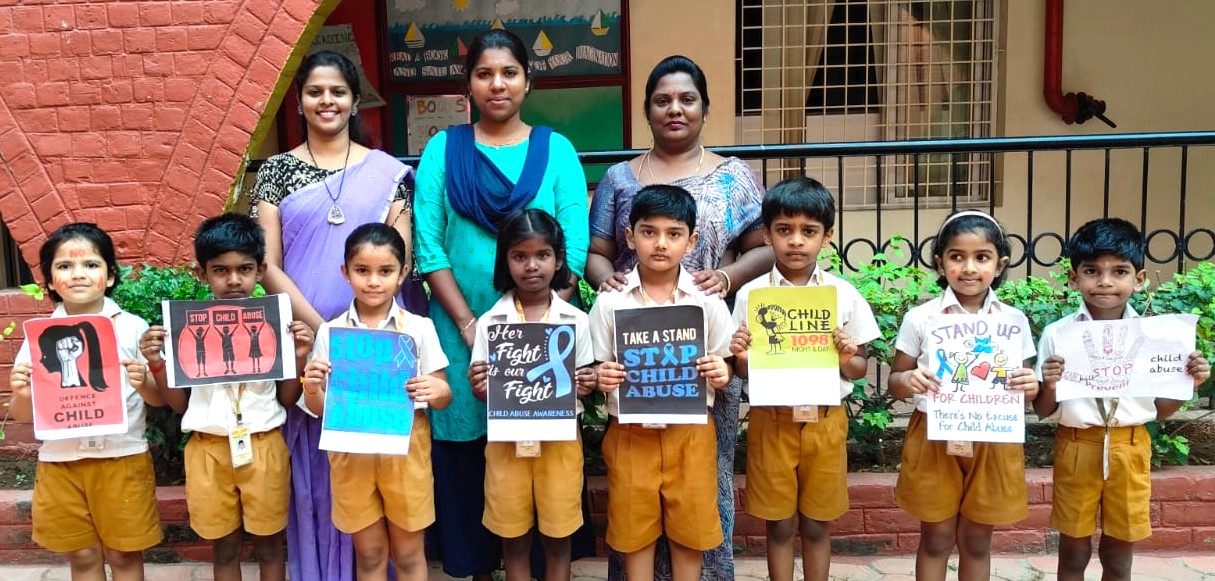
Kudos to the UKG Team


It is crucial that the conversation about gender begins at home. Children must understand that gender should not serve as the yardstick for assessing an individual's worth. Parents of girls are urged to encourage their daughters to be amicable and respectful towards boys, while parents of boys are urged to instill in their sons the importance of treating girls with kindness and respect. By making this dialogue a routine aspect of familial discourse, instances of mistreatment and disrespect between genders can be curtailed.

Schools serve as vital platforms for fostering respect and protection amongst students. However, the seeds of such awareness must be sown at home. Parents bear a significant responsibility in cultivating these values within their children. It is important for parents to correct any misconceptions their children may harbor regarding gender roles and relationships. Ultimately, it is through open communication and proactive guidance from parents that children can learn to navigate the complexities of gender dynamics with empathy and understanding. We implore parents to embrace their role as educators and advocates for a more equitable and harmonious society.


In addition to the efforts from the school, teachers are actively engaging students in discussions about gender norms and respect. These discussions are reinforced through regular messages conveyed during daily assemblies. However, for these important lessons to truly resonate and take root in the minds of students, it is imperative for parents to consistently reinforce them at home.

One crucial message that parents should emphasize is that making abusive comments or resorting to physical aggression towards the opposite gender is not an act of bravery or heroism. Instead, children must understand that true courage lies in treating others with dignity, regardless of their gender. This message needs to be ingrained deeply within them, shaping their attitudes and behaviors towards gender equality and respect. It is through this collective effort that we can cultivate a culture of mutual respect and understanding amongst our younger generation!

March 7, 2024

Day 15 - 7th March, 2024

SDG 15 - Life on Land is all about protecting and rejuvenating the Earth's land-based ecosystems like forests and grasslands, along with the variety of plants and animals living there. This biodiversity is crucial because every species plays a vital role in keeping these ecosystems healthy and providing benefits to people.

People often prefer vacations in scenic places with pleasant weather because we naturally feel happy and at ease surrounded by nature's beauty. To keep these natural havens intact, we must be mindful of our actions towards the environment and the creatures within it. This way, we can ensure future generations can also enjoy these wonders.

Sustainable Land Use means using land responsibly to meet our needs without harming the environment. It includes things like eco-friendly farming, smart land management, and promoting tourism that respects nature.

SDG 15 also focuses on restoring damaged land, like planting trees in deforested areas, bringing back wetlands, and fixing harmed ecosystems. By doing this, we can ensure that the land stays healthy and provides us with essentials like food, clean water, and homes for wildlife. Ultimately, SDG 15 is about preserving the beauty and variety of our planet's landscapes for everyone to enjoy, now and in the future.

March 6, 2024

Day 14 - 6th March, 2024

During our spotlight on SDG No: 14 – Life Below Water, we explored the challenges faced by marine life due to human activities. We wanted to help the children understand how our actions impact the underwater world. To make it easier to grasp, we compared the ocean to an aquarium. We asked the kids to think about the effort it takes to maintain an aquarium, ensuring it's clean and suitable for the fish living in it. This helped them see that if we put the same care and attention into looking after our oceans and other water bodies, marine life wouldn't face as many problems.

We also discussed how all the SDGs focus on issues caused by human actions. We create these problems, and then we try to find solutions for them. But if we start by doing things right, we can prevent many of these problems from happening in the first place. It's like stopping a problem before it even starts. So, we encouraged the students to think about what they can do to help the environment and the creatures living in it, focusing on actions that promote sustainability and protect marine life. By working on SDG 14, we're ensuring that future generations can continue to enjoy the beauty and bounty of our oceans. It's all about keeping our oceans healthy and thriving for all the creatures that call them home, including us!

March 5, 2024

Day 13 - 5th March, 2024

Today, we discussed SDG 13 – Climate Action, which primarily focuses on improving the condition of our planet, Earth, for habitation. A question was posed to the students to stimulate their thinking and enhance their understanding of the fundamental issue of climate change. What happens to our bodies when we experience a viral fever? There's a rise in body temperature, fatigue, decreased activity, and an inability to carry out our usual tasks. Similarly, our planet is afflicted with a VIRUS, which comprises human activities such as industrialization, pollution, and deforestation. This human-induced "virus" is affecting Earth, resulting in extreme weather conditions and other climatic changes that impact all organisms, rendering life challenging on our planet.

We discussed the rationale behind the abundance of trees on our school campus and the deliberate efforts undertaken to plant more trees. We highlighted the example of nearby Auroville, where approximately 70% of the area is covered in trees, and how the weather and energy there serve as an inspiration to us.

As always, we emphasized how individuals can contribute through actions like recycling, reusing, planting trees, and monitoring their own behaviours to prevent environmental pollution. It is through such actions that we can foster a eco-friendlier approach to our environment.

Individuals are often criticized for not conforming to the status quo, even when attempting to enact positive changes. This fear of criticism can make them hesitant to take unique actions. However, Rosebuddies are encouraged to embrace their individuality and effect positive change, even if it means diverging from the mainstream. They must take the right steps and stand out!!!

Seeds of Change: Journey Towards Responsible Consumption

In a classroom bright and cheery,
Where minds are young and so merry,
We've talked of goals so grand and wise,
SDGs shining in our minds.

For fourteen days, we've journeyed far with SDGs,
Exploring how to reach the young minds,
And in these lessons, we've been shown,
How even the youngest seeds have grown!

Yesterday's SDG message, crisp and clear, 
Responsible consumption, ever near.
Class I students listened with grace, 
Their hearts and minds began to embrace.

With pencil pouches simple, filled just right,
They left the fancy out of sight,
Their actions spoke, oh, loud and clear,
In harmony with what they hear.

Thanks to their parents, wise and kind,
For nurturing this thoughtful mind,
To the teachers, guiding light,
Mrs. Hamalda, and Ms. Nithiyakalyani bright.

Together they've sparked a flame so bright,
In these young hearts, a vibrant thought,
Setting an example for all to see,
How small actions shape our destiny.

Let's applaud these little ones,
For embracing change with open hearts,
With each small step, they pave the way,
For brighter tomorrows, come what may.

"Shining Stars: Class I lights the way with Responsible Choices"


March 4, 2024

Day 12 - 4th March, 2024


SDG 12 focuses on "Responsible Consumption and Production." Imagine a world where we use things wisely and don't waste resources. That's what SDG 12 is all about. It's like being mindful of how much we consume and making sure we're not harming the environment or other people while making and using products.

Here's a breakdown of what SDG 12 means:

Responsible Consumption: This means being careful about what we buy and use. Instead of buying things we don't really need, we should think about whether we truly need them and how they might impact the environment or other people. It's like asking ourselves, "Do I really need this?" before making a purchase.

Sustainable Production: This is about making things in a way that doesn't harm the environment or exploit people. It involves using resources efficiently, minimizing waste, and treating workers fairly. For example, companies can use renewable energy sources like solar or wind power instead of burning fossil fuels, which pollute the air.

Reducing Waste: We live in a world where a lot gets thrown away. SDG 12 encourages us to reduce, reuse, and recycle to minimize waste. This means finding ways to use things again instead of throwing them out after one use. For instance, using reusable water bottles instead of single-use plastic ones.

Protecting the Environment: Our planet's resources are limited, so we need to take care of them. SDG 12 urges us to protect the environment by not overusing natural resources like water, forests, and minerals. It also means finding ways to protect animals and their habitats.

Overall, SDG 12 is like a guide for how we can live in a way that is good for the planet and for future generations. It's about being mindful of our actions and making choices that help create a sustainable world where everyone can thrive.

Day 11 - 1st March, 2024


SDG 11 aims to make cities and human settlements inclusive, safe, resilient, and sustainable. It targets issues such as urbanization, housing, transportation, environmental impact, cultural heritage preservation, and access to basic services for all.

Key targets of SDG 11 include:

# Ensuring access for all to adequate, safe, and affordable housing and basic services.
# Providing sustainable transportation systems to improve road safety, notably by expanding public transport.
# Enhancing inclusive and sustainable urbanization and capacity for participatory, integrated, and sustainable human settlement planning and management.
# Strengthening efforts to protect and safeguard the world's cultural and natural heritage.
# Reducing the environmental impact of cities, including air quality, waste management, and resource efficiency.
# Increasing resilience to disasters in cities and human settlements.

Achieving SDG 11 requires cooperation among governments, local authorities, communities, and the private sector to plan and manage cities and human settlements sustainably, ensuring they are inclusive, safe, resilient, and sustainable for all residents.